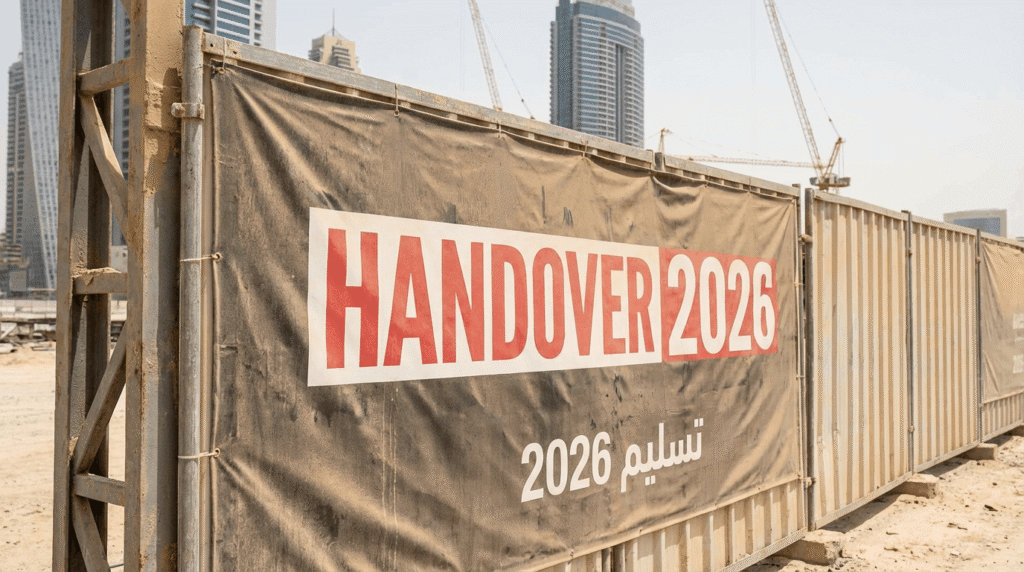
A single number has been rattling around boardrooms, investor WhatsApp groups, and analyst decks for months now: 210,000. That is the estimated number of residential units expected to enter the Dubai property market in 2026. For context, that figure eclipses anything the city has delivered in a single calendar year — ever.
If you are an existing landlord, an off-plan buyer waiting for handover, or someone sitting on the sidelines with capital to deploy, this number demands your attention. Not because the sky is falling, but because the difference between a smart 2026 investment and a painful one will come down to understanding where those units are going and who is going to live in them.
This article breaks the headline down into actionable intelligence — no jargon, no hype, and no sugarcoating.
The Headline Number: 210,000 Units in One Year
Industry trackers including Property Monitor, ValuStrat, and CBRE have each published variants of this estimate. The figures differ slightly depending on methodology — some count only freehold residential, others include leasehold and serviced apartments — but the consensus range sits between 195,000 and 215,000 units scheduled for completion in 2026.
How Does This Compare to Previous Years?
Dubai delivered roughly 35,000 to 42,000 units per year between 2020 and 2023. In 2024, handovers jumped to an estimated 50,000–55,000 units. Even that was considered a big year. A pipeline north of 200,000 units represents a fourfold increase over the recent annual average.
Will All 210,000 Actually Be Delivered?
History says no. Dubai’s actual delivery rate typically lands between 40 and 60 percent of the scheduled pipeline. Delays happen for familiar reasons: permitting, contractor capacity, financing gaps, and deliberate developer strategy to avoid flooding the market. A more realistic delivery estimate for 2026 is somewhere in the range of 80,000 to 120,000 units — still a record, but meaningfully different from the raw headline.
Experienced investors never take pipeline numbers at face value. They track completion certificates issued, not glossy launch announcements.
Where Are the Units Going? A Breakdown by Area and Developer
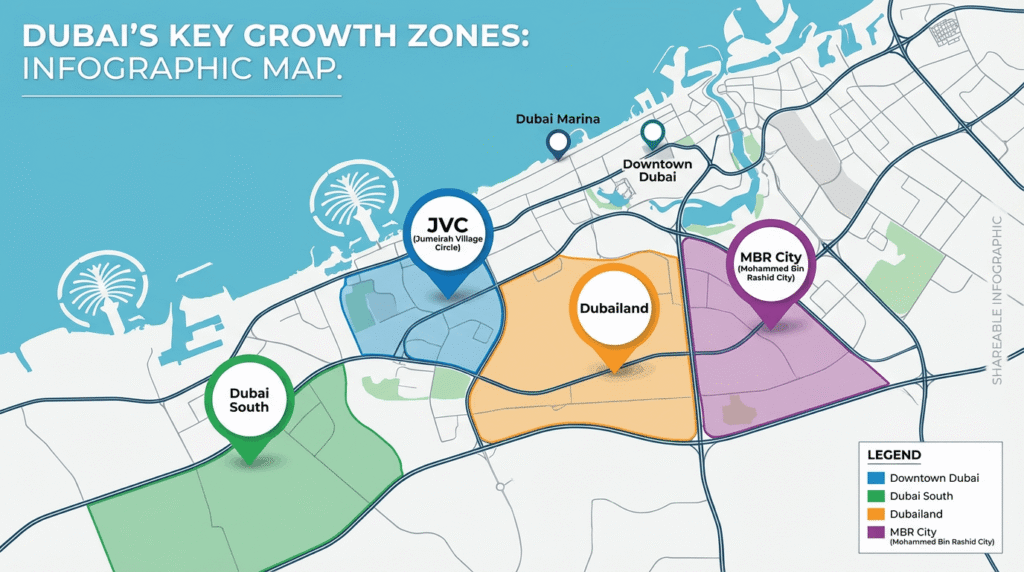
Not every community faces the same story. The 210,000-unit pipeline is concentrated in a handful of corridors, and knowing the hotspots is half the battle.
The Big Clusters
Dubai South and Expo City surrounds
Account for a significant share of the upcoming supply. Multiple mega-developers have launched affordable and mid-market projects here, betting on the long-term vision of Al Maktoum International Airport and the Expo legacy district.
Dubailand and Dubai Hills periphery
The outer ring of the Dubai Hills master plan and surrounding Dubailand parcels have seen a wave of new project launches since 2022. Townhouses and apartments from tier-two and tier-three developers dominate here.
Jumeirah Village Circle (JVC) and Arjan
emain the epicentre of studio and one-bedroom apartment launches. These communities have absorbed enormous supply over the past decade, and they are set to receive another large wave.
Mohammed Bin Rashid City (MBR City)
and its sub-communities like District One and Sobha Hartland continue to add villa and apartment inventory aimed at the mid-to-upper segment.
Ras Al Khor and Al Jaddaf corridor
are emerging as targets for mid-market developers looking for affordable land close to Downtown and the Creek.
The Developer Mix
The major master developers — Emaar, DAMAC, Nakheel, Meraas, and Sobha — account for a large portion of the pipeline, but a critical trend is the rise of smaller, newer developers. Many of these firms launched their first projects during the 2021–2023 boom. Their handover timelines converge in 2025 and 2026, which is when execution risk becomes real. A first-time developer delivering 500 units faces very different pressures than Emaar delivering 5,000.
Which Areas Can Absorb New Supply
Supply alone does not create oversupply. Oversupply is a mismatch between new units entering a market and the number of people ready to occupy them. Several areas in Dubai have demand fundamentals strong enough to absorb significant new inventory.
Areas With Strong Absorption Potential
Dubai Marina, Downtown Dubai, and Business Bay
These “core” communities continue to attract end-users and tenants due to their walkability, established amenities, and proximity to employment centres. Vacancy rates here have historically remained low even during softer markets. Limited new land for development also caps future supply.
Dubai Hills Estat
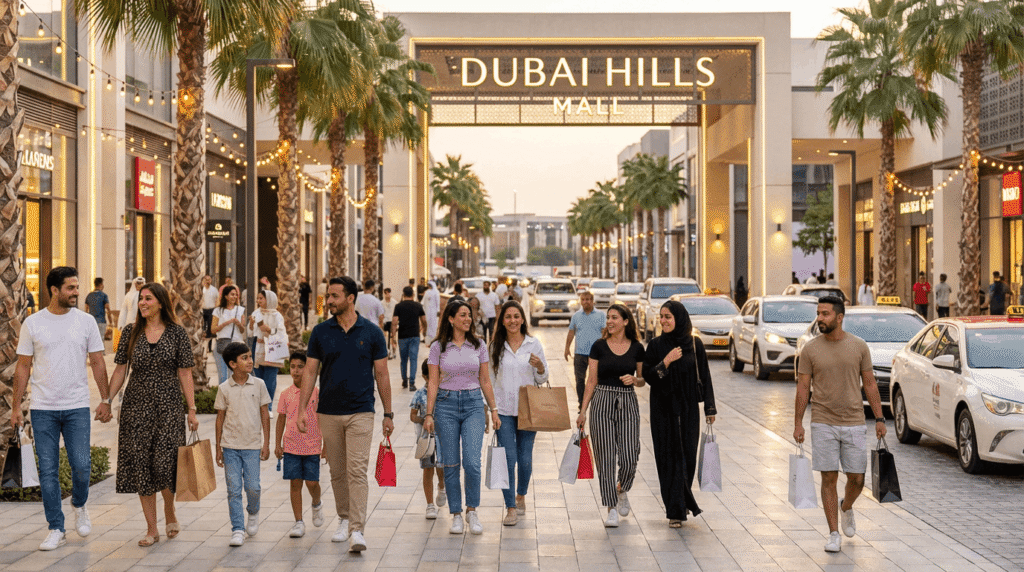
Population growth in Dubai Hills has been explosive. Schools, retail, medical facilities, and the Dubai Hills Mall have created genuine community infrastructure. The area attracts families relocating from older communities, which provides a persistent demand tailwind.
Emaar Beachfront and Bluewaters
Limited-unit waterfront communities with constrained future supply. These tend to behave more like trophy assets and are less sensitive to broader supply cycles.
Creek Harbour
Massive infrastructure investment by Emaar, a growing population base, and proximity to Downtown give this community a strong absorption trajectory despite large handover volumes ahead.
What Makes an Area Resilient
Three factors separate areas that absorb supply from those that choke on it:
Population growth
Is the area attracting new residents? Look for school enrolments, retail tenancy rates, and traffic patterns as leading indicators.
Infrastructure delivery
Roads, metro stations, retail, healthcare, and parks need to arrive before or alongside residential handovers. Units in communities with incomplete infrastructure sit empty longer.
Demand diversity
Areas that attract a mix of end-users, long-term tenants, and short-term rental demand have multiple safety nets. A community that relies entirely on one demand driver is fragile.
Which Areas Are at Risk of Oversupply
Not every community in Dubai will navigate 2026 comfortably. Some areas face genuine oversupply risk, and investors holding or buying in these locations need to prepare for softer rents, longer vacancy periods, and potential capital value corrections.
Red Flags to Watch For
Secondary locations with identical product — When five different developers each deliver 300 studio apartments in the same sub-community within the same six-month window, absorption becomes a race to the bottom on rent. JVC, Arjan, and parts of Dubailand are most exposed to this dynamic.
Communities with weak infrastructure — Projects that launched during the boom in areas where road access, retail, and public transport remain incomplete will struggle to attract tenants at projected rents. A beautiful apartment matters less when the nearest supermarket is a 20-minute drive.
Developer concentration risk — Areas where a single unproven developer accounts for the majority of upcoming supply carry execution and quality risk. If that developer underdelivers on finishing quality or community amenities, the entire area’s reputation suffers.
Oversaturated short-term rental zones — Some investors underwrote their purchase based on Airbnb yields during the 2022–2023 tourism boom. As supply rises and regulations tighten, those yields are compressing. Areas heavily dependent on holiday rental demand — without a strong long-term tenant base — are vulnerable.
Specific Areas Under Pressure
JVC inner blocks — Decades of continuous supply with limited differentiation between projects. The area works for budget-conscious tenants, but rent growth is likely to stall or reverse as new units flood in.
Dubai South residential phases — The long-term vision is compelling, but the short-to-medium-term reality is that population density remains low, amenities are sparse, and commute times are long. Early buyers may face a multi-year gap between handover and meaningful rental demand.
Outer Dubailand parcels — Projects located far from arterial roads and without confirmed retail or school infrastructure face the toughest absorption challenge.
How to Check the Supply Pipeline Before You Buy
You do not need to be an analyst to do basic supply due diligence. Here is a practical framework any investor can follow before committing capital.
Step 1: Identify the Community’s Upcoming Inventory
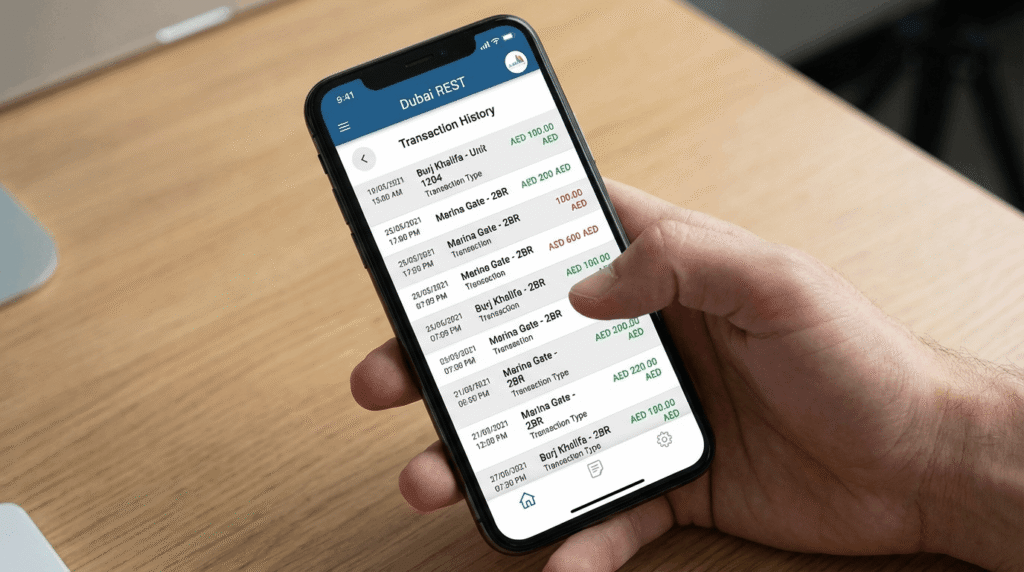
Use the Dubai Land Department (DLD) app and the Dubai REST platform to search for registered projects in a specific area. Cross-reference with developer websites and third-party trackers like Property Monitor or Reidin. Count the number of units expected to be handed over within 12 to 24 months of your target purchase date.
Step 2: Estimate the Demand Base
Check population proxies for the community. These include school enrolment figures (available from KHDA), occupancy rates at nearby retail centres, and transaction volumes on DXBInteract (the DLD’s public data portal). Rising transaction volumes and low existing vacancy are positive demand signals.
Step 3: Compare Product Type to Demand Profile
If the upcoming supply is overwhelmingly studios and one-beds, but the area is attracting families, there is a mismatch. Conversely, large villas in a location with no schools or parks will struggle. Product-market fit matters as much in real estate as it does in startups.
Step 4: Assess Infrastructure Timing
Visit the community. Drive the roads. Check if the promised metro link, school, or retail centre is under construction or still on paper. Infrastructure that is 18 months from completion is very different from infrastructure that has not broken ground.
Step 5: Talk to Existing Residents and Property Managers
The most reliable demand signal is the lived experience of people already in the community. Property managers can tell you current vacancy rates, average days on market, and whether rents are rising or falling in real time.
What Experienced Investors Are Doing Differently Right Now
The smart money is not panicking about 210,000 units. It is repositioning. Here is what seasoned Dubai investors are prioritising in 2026.
Focusing on Completed or Near-Completion Assets
Rather than buying off-plan with 2028 or 2029 handover dates — where the supply picture is even less clear — experienced investors are targeting ready or nearly-ready properties in proven communities. This eliminates construction risk and allows immediate rental income.
Prioritising Communities With Proven Absorption
Investors with track records are doubling down on areas where demand has been tested, not projected. They want communities that have weathered previous supply cycles and come out the other side with stable rents and occupancy.
Negotiating Harder on Off-Plan
With developers competing for buyer attention in a crowded launch market, payment plan flexibility and pricing power have shifted toward the buyer. Experienced investors are using the supply narrative as leverage to negotiate better terms, lower per-square-foot prices, and extended post-handover payment plans.
Building Cash Reserves for Opportunities
Some of the best deals in Dubai’s history have emerged during supply digestion periods. Investors who maintain liquidity through 2026 will be positioned to acquire distressed or motivated-seller inventory at meaningful discounts.
Diversifying Across Asset Types
The supply wave is overwhelmingly residential. Investors diversifying into commercial, retail, or warehouse assets are finding less competition and more stable yields. The logistics and warehousing sector, in particular, benefits from Dubai’s continued growth as a trade hub without the same supply pressures facing residential.
The Bottom Line
The 210,000-unit pipeline is not a crisis. It is a market event that will create winners and losers. The investors who come out ahead will be those who understand supply at the community level — not the city level — and who make decisions based on data rather than headlines.
Dubai’s population continues to grow. Visa reforms, corporate relocations, and lifestyle migration are adding tens of thousands of new residents annually. That demand is real. But it is not evenly distributed, and it will not rescue every project in every location.
The question is not whether Dubai can absorb new supply. It always has. The question is whether your specific investment is in a community that will absorb its share — or one that will be left holding empty units.
I track supply data across every major Dubai community — from JVC to Dubai Hills to Emaar Beachfront and beyond. If you want a detailed supply analysis for a specific area before you buy, sell, or hold, get in touch. Making the right call in 2026 starts with knowing exactly what is coming to your doorstep.
-Behniya