

Oqood. Five letters. One concept. And quite possibly the single most underrated reason serious investors choose Dubai over London, Toronto, or Miami.
Most people walking into a Dubai off-plan showroom have heard the buzzwords: Burj views, 8% net yields, zero capital gains tax. Almost no one walks in asking the question that actually matters:
“What stops this developer from disappearing with my money?”
The answer is a tightly engineered system of laws, accounts, and watchdogs that Dubai has spent nearly two decades building. Once you see how the pieces fit together, the whole “is off-plan risky?” conversation changes completely.
Here’s how your money is actually protected, layer by layer.
Layer 1: Oqood — The Receipt the Government Holds for You
In Arabic, Oqood literally means “contracts.” In practice, it’s the Dubai Land Department’s official register for every off-plan unit sold in the emirate.
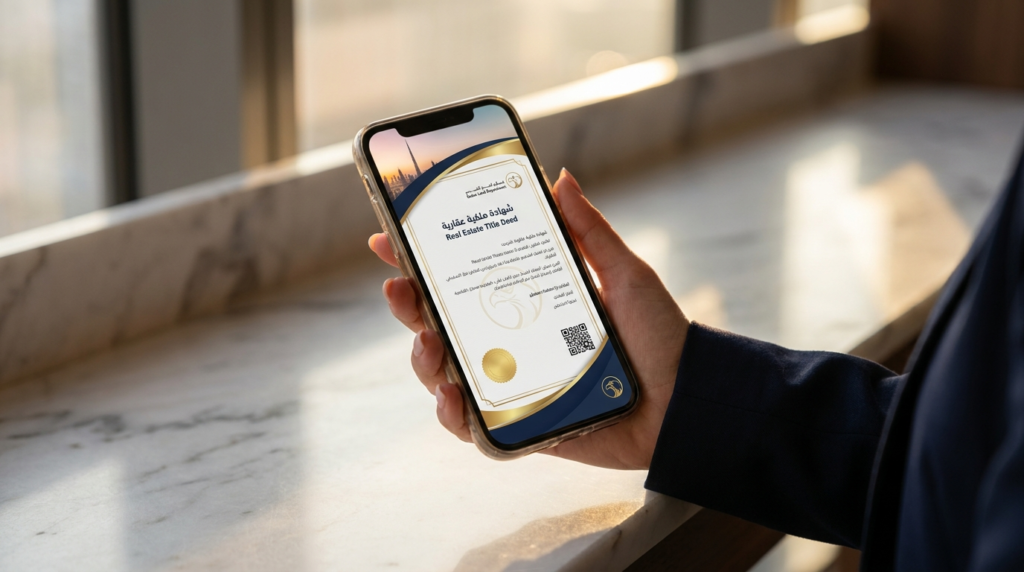
Under Dubai Law No. 13 of 2008 (the Interim Property Registration Law, later sharpened by Law No. 19 of 2017), every off-plan sale must be registered with the DLD within 60 days of signing your Sale and Purchase Agreement. The developer files it. You receive a digital Oqood certificate, accessible 24/7 through the Dubai REST app, confirming your name, the unit number, the price, the payment schedule, and the project’s regulatory status.
Here’s the part most buyers miss: if your transaction isn’t registered in Oqood, it doesn’t legally exist. A handshake, a glossy brochure, a signed PDF, none of it gives you ownership rights until the government has the record. That single rule shuts down the entire universe of ghost sales, double-booked units, and back-channel deals.
When the building is delivered, your Oqood converts into a full Title Deed. Same ownership, just upgraded paperwork.
Layer 2: The SPA — Your Contract With Teeth
Your Sale and Purchase Agreement isn’t a friendly document. It’s a legal weapon, for you, if you read it carefully before you sign.
A properly drafted Dubai SPA spells out:
- The final purchase price (no surprise “admin fees” later)
- A milestone-based payment schedule tied to construction progress
- The handover date, and the grace period (usually 6 to 12 months) the developer gets before they’re in breach
- Force majeure clauses (which got significantly tighter after COVID)
- Liquidated damages, pre-agreed compensation if the developer misses deadlines
- The exact specifications, finishes, and floor plan you’re paying for
Article 246 of the UAE Civil Transactions Law locks both sides into honoring the contract “in accordance with its terms and in a manner consistent with good faith.” That isn’t decorative language. Dubai courts enforce it.
The single best move you can make before signing? Have a property lawyer review the SPA. Two to three thousand dirhams of legal fees can save you a six-figure dispute later.
Layer 3: The Escrow Vault — Where Your Money Actually Lives
This is the layer that changes everything.
Under Dubai Law No. 8 of 2007, every developer selling off-plan units must open a dedicated escrow account for each project at a RERA-approved bank. Every dirham you pay, every installment, every booking fee, lands directly in that account. The developer cannot touch it freely. They cannot move it between projects. They cannot use it to pay off another building’s contractor.
Here’s how it actually works:
- You wire your payment to the project’s escrow account.
- The developer reaches a construction milestone, foundation, 30% completion, 50%, and so on.
- An independent engineer physically inspects the site and certifies the milestone.
- Only then does the escrow agent release the corresponding tranche of funds.
And it gets better. Even after the building is complete, the escrow agent retains 5% of the total fund for one full year after units are registered to buyers. That’s the developer’s snag-list incentive; they have a financial reason to fix every problem in your unit during the warranty period.
The most powerful clause in the law? “No attachment may be imposed on the payments deposited in this account for the benefit of the creditors of the developer.” Translation: even if the developer goes bankrupt tomorrow, your money in escrow is legally fenced off. It belongs to the project, not the company.
That single sentence is why Dubai off-plan is fundamentally different from the horror stories investors trade about other emerging markets.

Layer 4: RERA — The Watchdog That Actually Bites
The Real Estate Regulatory Agency (RERA), a regulatory arm under the DLD, is the referee on the field. They issue developer licenses. They register every project with a unique M-code. They approve marketing materials. They audit escrow accounts.
The 2025 rule updates pushed RERA’s teeth even further:
- Mandatory milestone disclosures: developers now upload progress reports through a digital portal in real time, with an active compliance log on file.
- Marketing controls: every listing, online or offline, must be registered in RERA’s database. Inflated claims or unauthorized listings draw penalties.
- Delay compensation guidance: if a developer blows past the grace period, RERA’s framework supports compensation calculations tied directly to the SPA and the actual losses suffered.
- Cancellation safeguards: the old “developer keeps 30% if the buyer defaults” rule has been tightened. Refunds now scale to actual construction progress, not a flat penalty.
You can verify any developer’s RERA license, any project’s registration, and any broker’s credentials in under a minute on the Dubai REST app. If they’re not there, walk away. That’s the entire conversation.
Layer 5: The DLD and the Special Tribunal — Enforcement When It Matters
The Dubai Land Department isn’t just a registry. It’s the enforcement engine.
When something goes wrong, you have a clear escalation ladder:
- File a complaint with the DLD. They mediate disputes between buyers and developers and have real authority to compel compliance.
- Escalate to Dubai Courts if mediation fails. Article 295 of the UAE Civil Transactions Law empowers courts to award financial compensation, restore the parties to their original position, or apply any other appropriate remedy. Article 292 lets you claim lost profits, like the rental income you would have earned if the unit had been delivered on time.
- For cancelled or stalled projects, escalate to the Special Tribunal for Liquidation of Cancelled Real Property Projects. It exists for one purpose: untangling failed projects and getting buyers’ money back.
Real precedent matters here. In 2024, Dubai Courts ordered a developer to issue a full refund plus housing and rent compensation for a material breach due to persistent delays. That ruling sent a clear message to the entire market: contracts are honored, or compensation is paid.
Your 5-Minute Pre-Signature Checklist
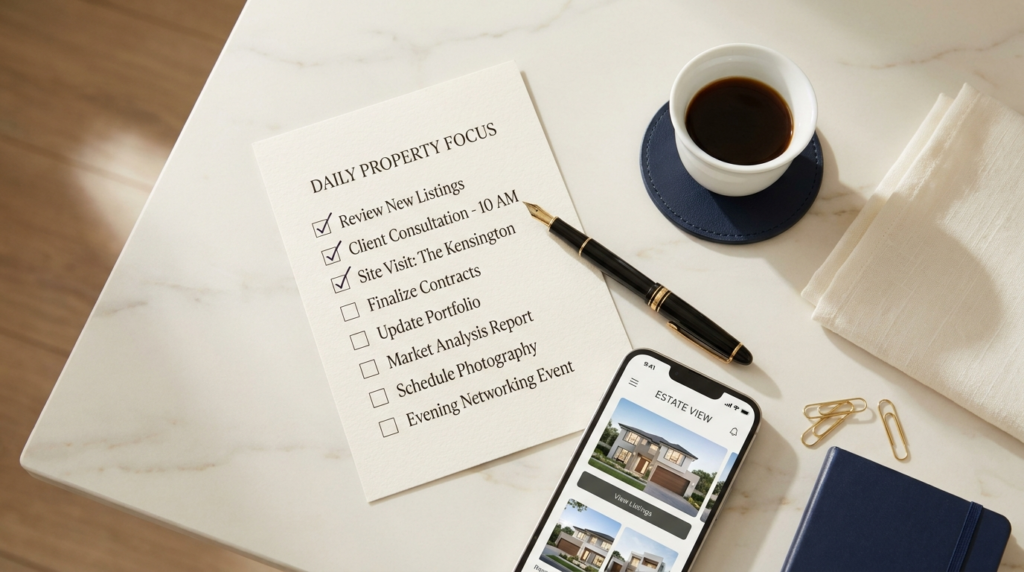
Before you sign anything, on any off-plan project in Dubai — verify these eight things. None of them require a lawyer. All of them protect you.
- Developer’s RERA license: active, in their legal name, no suspension flags. Check it on the Dubai REST app.
- Project’s M-code: registered with the DLD, with an approved completion timeline.
- Escrow account: confirmed open at a DLD-approved bank, with the account number printed on the SPA.
- Developer’s delivery track record: past projects delivered on time, no RERA cancellations on their record.
- Construction progress: view real-time site photos and milestone percentages on Dubai REST.
- Service charges: verify the building’s published rate in Mollak so you’re not surprised after handover.
- SPA grace period and liquidated damages clauses: read them, understand them, negotiate them where possible.
- Independent legal review: have a property lawyer read your SPA before signature. Always.
If any of those eight don’t check out, the deal isn’t ready for you yet. Full stop.
The Bottom Line
Off-plan investing in Dubai isn’t a game of luck. It’s a game of paperwork, and Dubai has stacked the paperwork in your favor more deliberately than almost any market on earth.
Oqood records you. The SPA arms you. Escrow law shields your money. RERA polices the developers. The DLD and the courts enforce the rules. Five layers. One protected investor.
The only thing the system can’t do for you is the part that matters most: choose the right project, the right developer, and the right entry price. That’s where strategy beats regulation every single time, and that’s exactly where I come in.

Ready to Invest in Dubai Without Guessing?
If you’re seriously considering an off-plan property in Dubai, whether it’s your first investment or your tenth, let’s make sure your money lands in the right project, with the right developer, at the right time.
Connect with me on LinkedIn for daily Dubai market insights