Why the right villa is still the smartest thing you can own in 2026, and how to tell a true one apart from the rest.
Almost every week, someone asks me a version of the same question. They have done well, they want to put money into Dubai property, and they want to know one thing: is a villa still worth it in 2026, or has that ship sailed?
It is a fair question. Prices have climbed for several years now, and it is natural to wonder whether the easy gains are behind us. But after years of selling homes in this city, I have come to believe the question itself is slightly wrong. The real question is not whether to own a villa. It is which villa, because the gap between an ordinary one and an exceptional one is wider than most people realise, and it is widening every year.
Let me walk you through how I think about it.
Custom-built vs. developer-built: not the same asset
When people picture a villa, they usually picture the kind a developer builds at scale, a handsome home from a published catalogue, repeated dozens or hundreds of times across a community. There is nothing wrong with these. They are well made, they hold value, and they are the backbone of the Dubai market. But it is worth being honest about what they are: a template, executed efficiently.
A custom-built villa is a different animal entirely. It begins with land and an idea rather than a brochure. Every decision, the ceiling heights, the way light enters a room, the stone on the floor, the position of the pool, is made once, by hand, for that home alone. You are not buying unit 14 of a 200-unit phase. You are buying the only one of its kind.
That difference shows up in ways that matter to both the heart and the wallet:
- Scarcity. A developer can build another identical home down the road. A one-of-one cannot be reproduced. When buyers compete for something that genuinely has no equivalent, price behaves differently.
- Specification. Custom homes are typically built to a standard a developer’s margins simply do not allow: better doors, better climate systems, better acoustics, finishes chosen rather than defaulted to.
- Time saved. A finished, furnished custom villa is liquid in a way an off-plan unit is not. There is no two-year wait, no construction risk, no decorating project. You move in.
“Some homes are built. A rare few are curated. The market has always paid a premium for the second kind.
It just doesn’t always know what to call it.”
This is the part most listings cannot capture. A portal photo flattens everything to the same grid of thumbnails, and a 7,500 sq ft work of craft ends up looking, at a glance, much like the house next door. The value that took years and real money to build simply does not photograph. You have to stand inside it.
Why villas still hold their value in Dubai in 2026
Step back from any single home and look at the market, and the logic for villas is structural rather than sentimental. It comes down to a simple imbalance: a lot of people want them, and there are not enough to go around.
Dubai has spent the past few years adding apartments at remarkable speed. Villas are a different story. They take more land, more time, and more capital to deliver, and they make up only a small slice of new handovers each year, roughly a fifth of completions, against a flood of new apartment towers. Demand, meanwhile, has run the other way: families relocating to the city, end-users wanting space and privacy, and international buyers who treat a Dubai villa as both a home and a store of value.
The result has been steady, sustained appreciation. Villa values rose by double digits over the past year, and most forecasters expect prime villa communities to keep climbing through 2026, not at the breakneck pace of the early recovery, but at a healthy, supply-constrained clip. When something is genuinely scarce and continually in demand, that is the foundation of durable value rather than a passing spike.
Then there are the things Dubai offers that few global cities can match: no annual property tax, freehold ownership for foreign buyers, residency tied to property, and a currency pegged to the dollar. Together they make the appeal to international capital easy to understand. A villa here is not just a place to live. It is one of the more efficient ways to hold wealth in real estate anywhere in the world.
The areas that reward both investors and end-users
Not every villa community is equal, and the best ones tend to satisfy two audiences at once: the investor who cares about resale and yield, and the family who simply wants to live well. A few stand out in 2026.
The established beachfront names, Palm Jumeirah and the Emirates Hills tier, remain the blue-chip end of the market, where scarcity is absolute and resale demand never really cools. Dubai Hills Estate and Arabian Ranches continue to anchor the family-villa market with their schools, golf, and proven track record.
But if I am pointing someone toward where established prestige meets genuine room to grow, I keep returning to one address: Mohammed Bin Rashid City, and within it, Sobha Hartland.
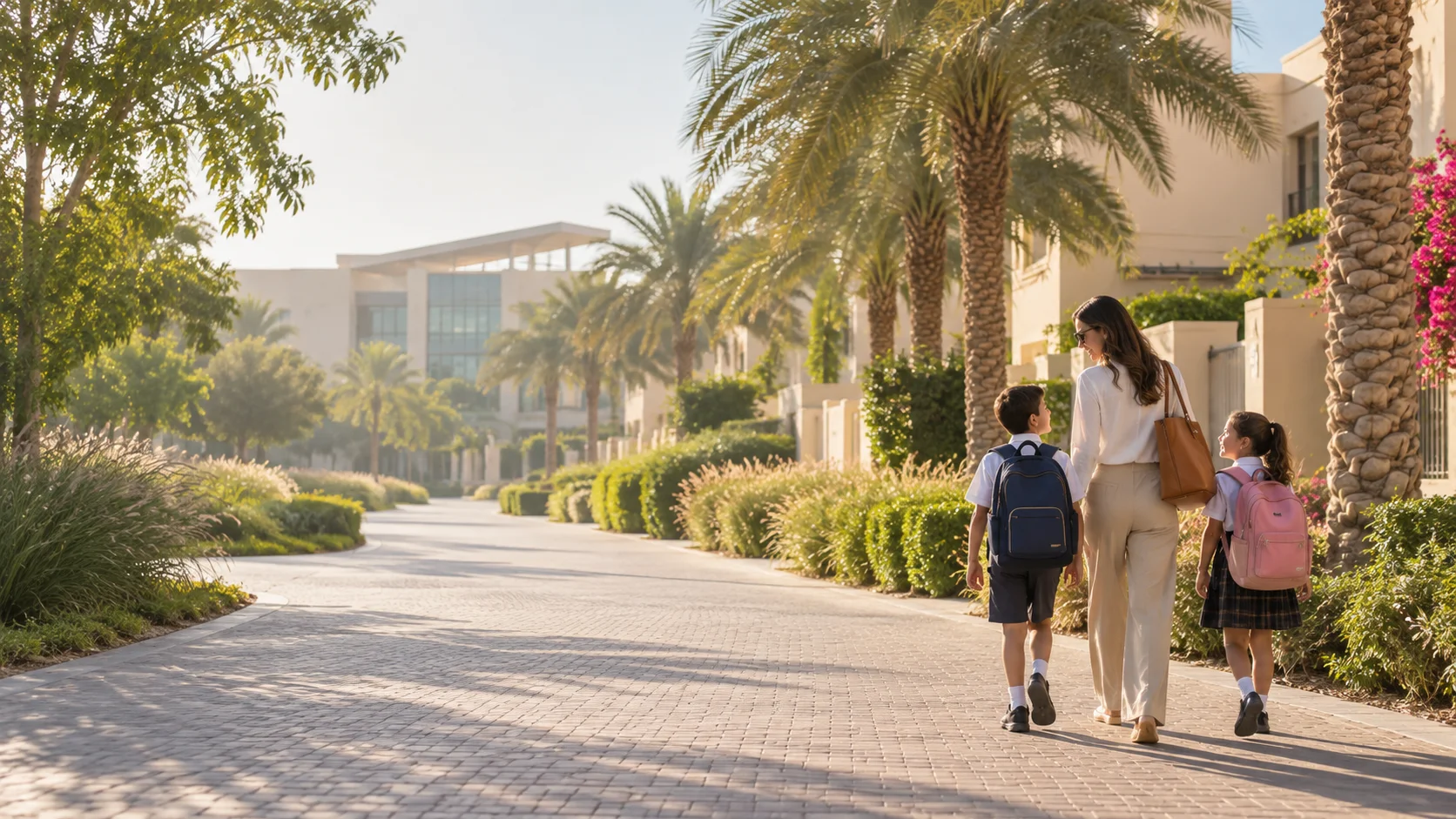
Hartland is one of the few communities where the address alone carries weight. It is an eight-million-square-foot freehold community in the heart of MBR City, wrapped by the Ras Al Khor Wildlife Sanctuary and the Dubai Water Canal, with international schools inside its gates and Downtown Dubai about five minutes away. It is green, it is established, and it is exactly the kind of central-yet-private location that both end-users and investors keep gravitating toward. That combination of prestige, proximity, and genuine scarcity of villa plots is why it sits near the top of my list this year.
What an exceptional villa actually looks like
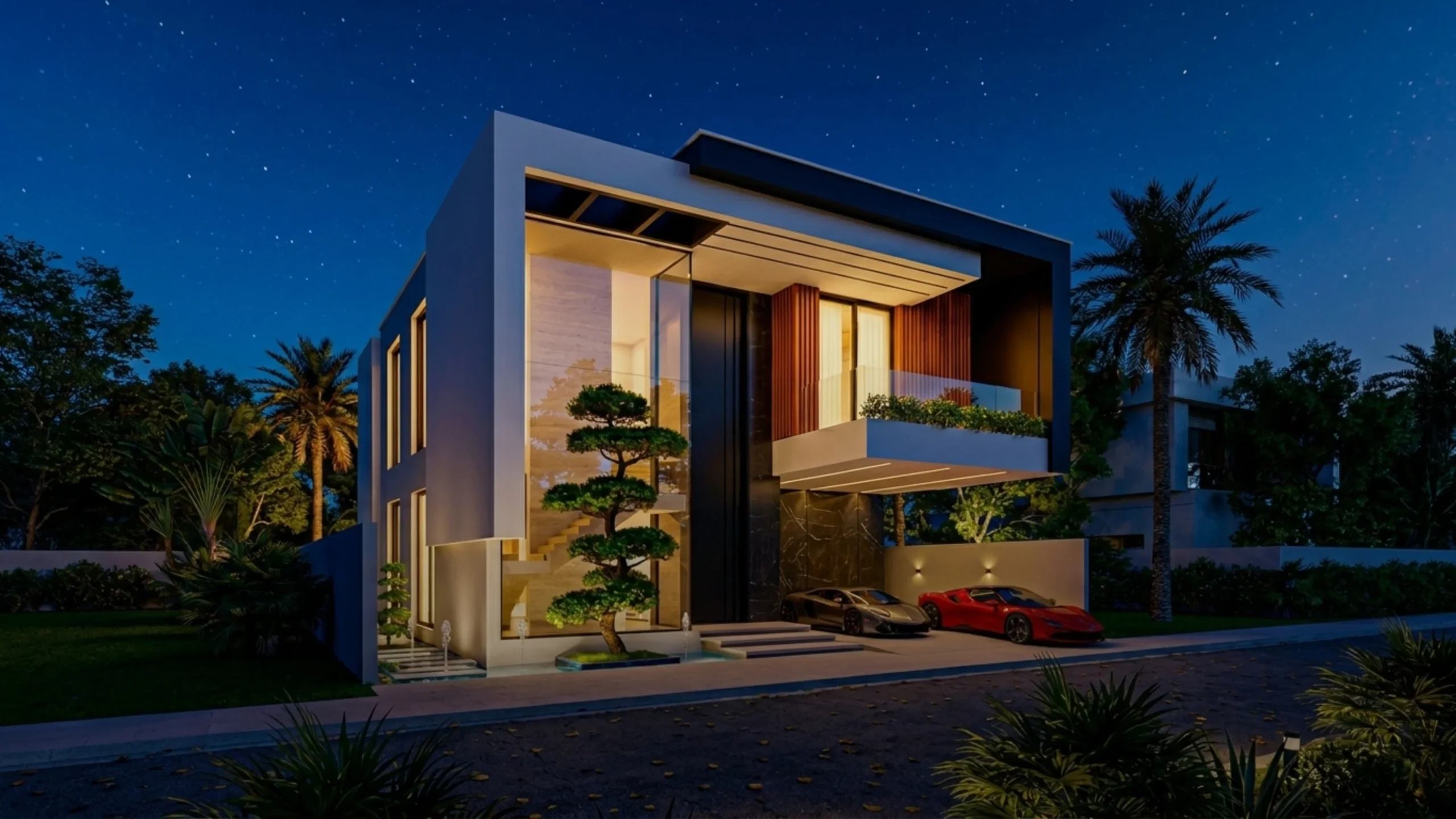
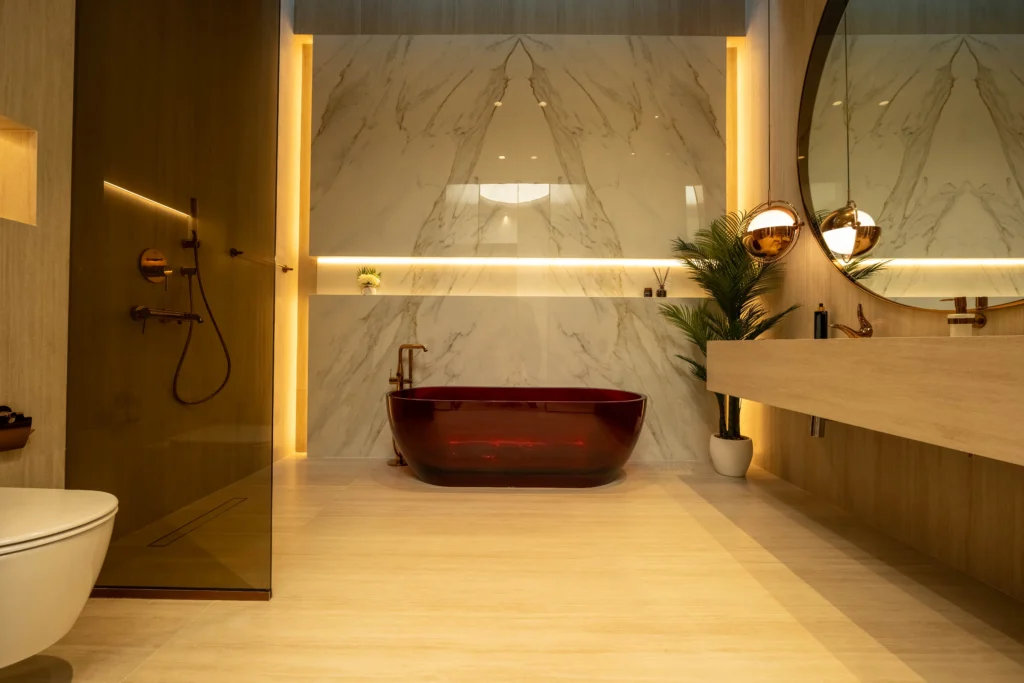
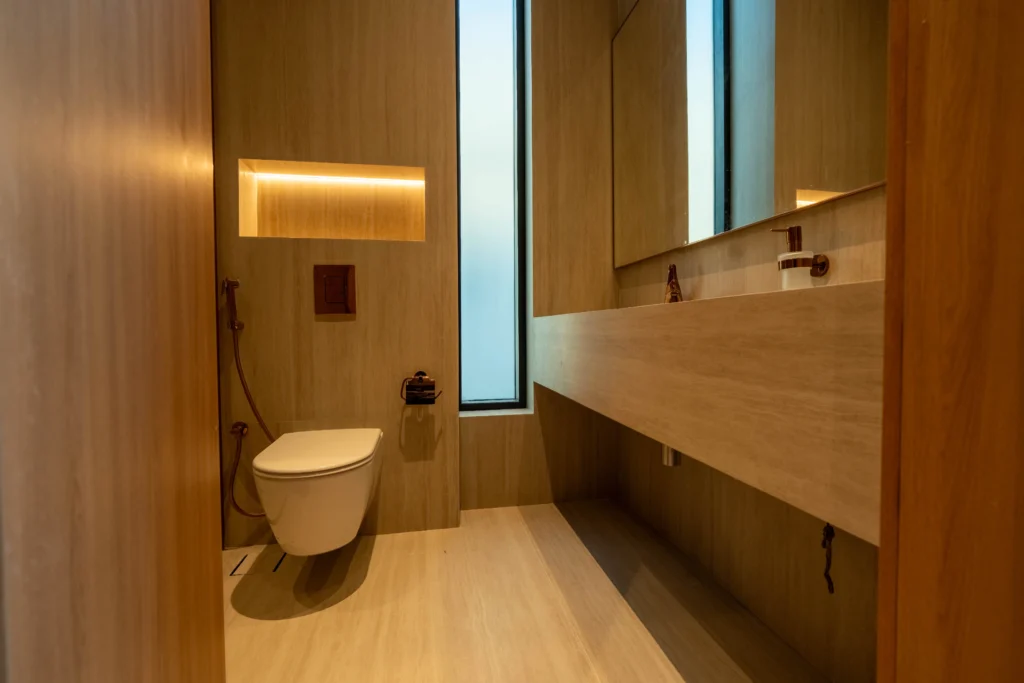
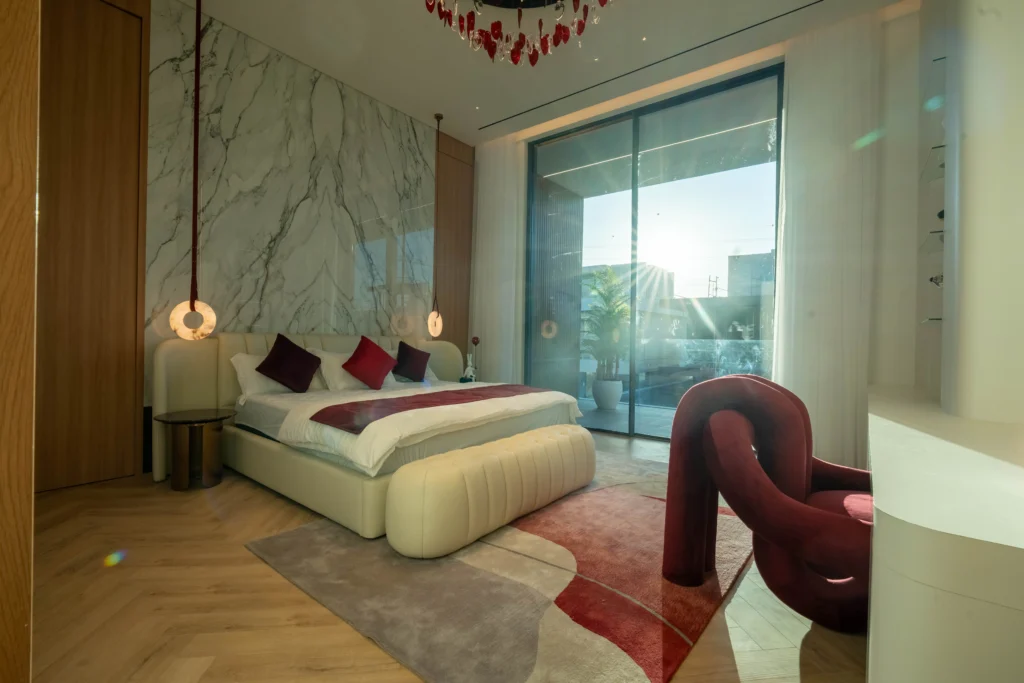
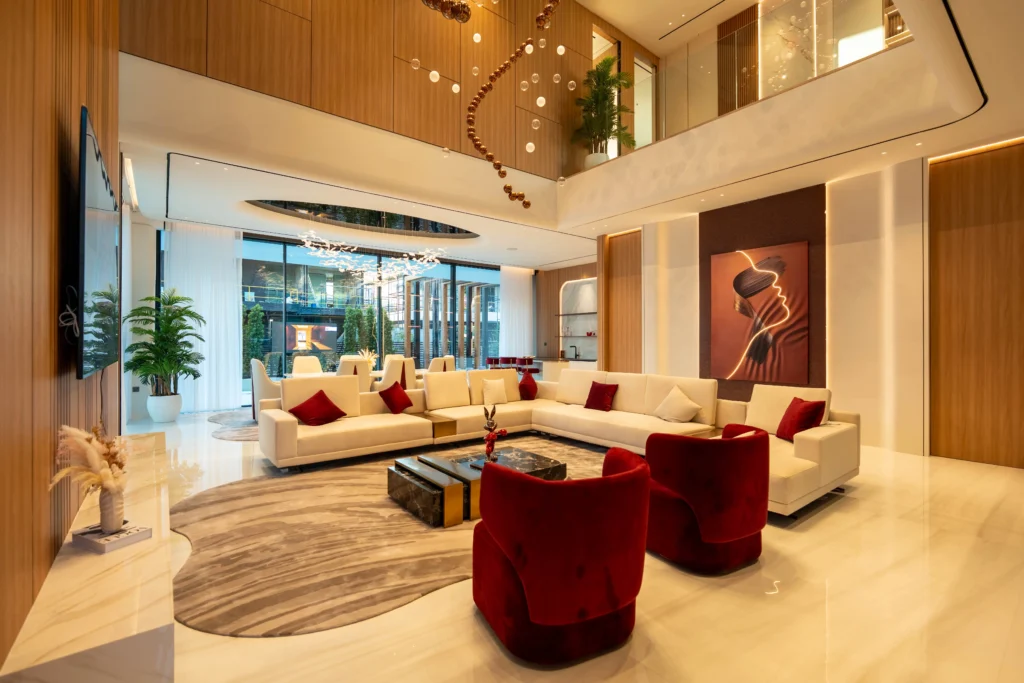
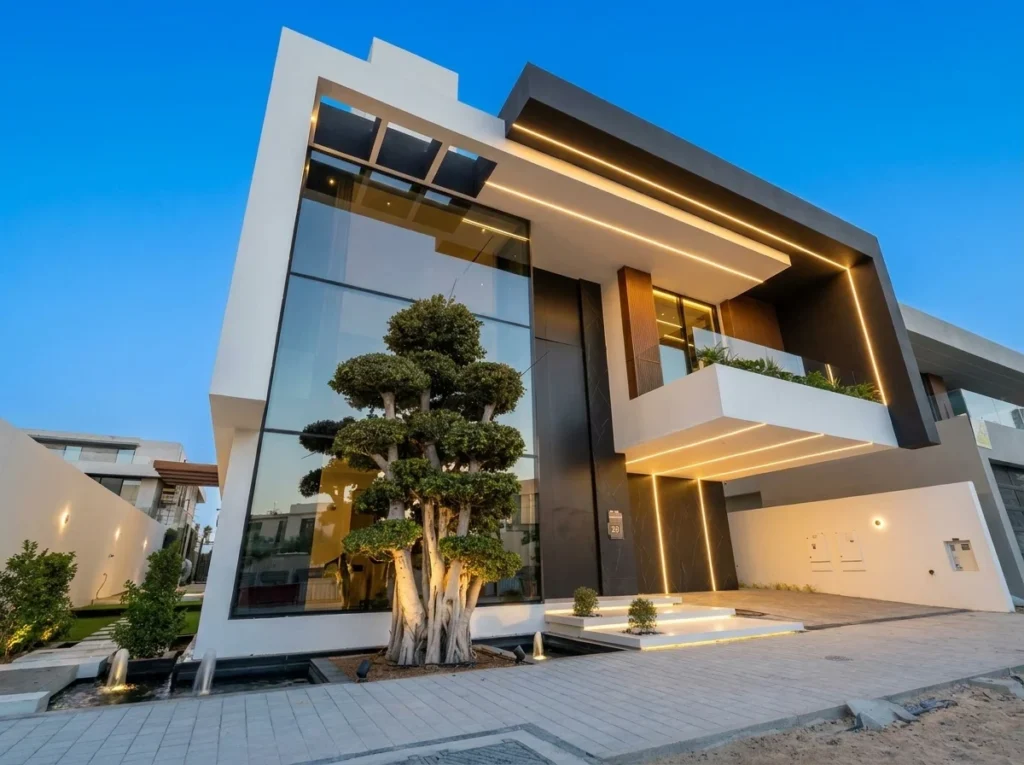
Theory is easier to follow with an example, so let me describe a home I know well, one that happens to bring together almost everything I have just argued for. It is a custom residence in Sobha Hartland, Phase III, and it is the clearest illustration I can offer of the gap between a built home and a curated one.
It was never bought off a plan. It was imagined, designed, and constructed from the ground up: 7,559 square feet across three floors, every surface and finish chosen by hand. The entrance is a six-metre aluminium pivot door, possibly the largest single-panel residential door in Hartland. Inside, a double-height living room opens through eight metres of floor-to-ceiling glass onto the terrace at the tap of a phone.
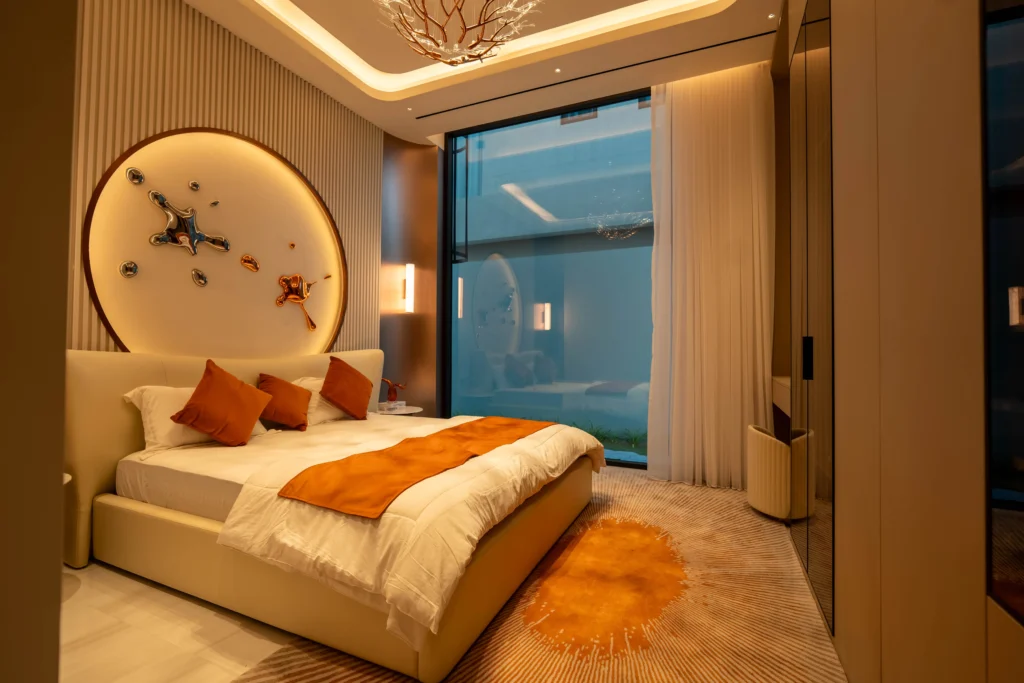
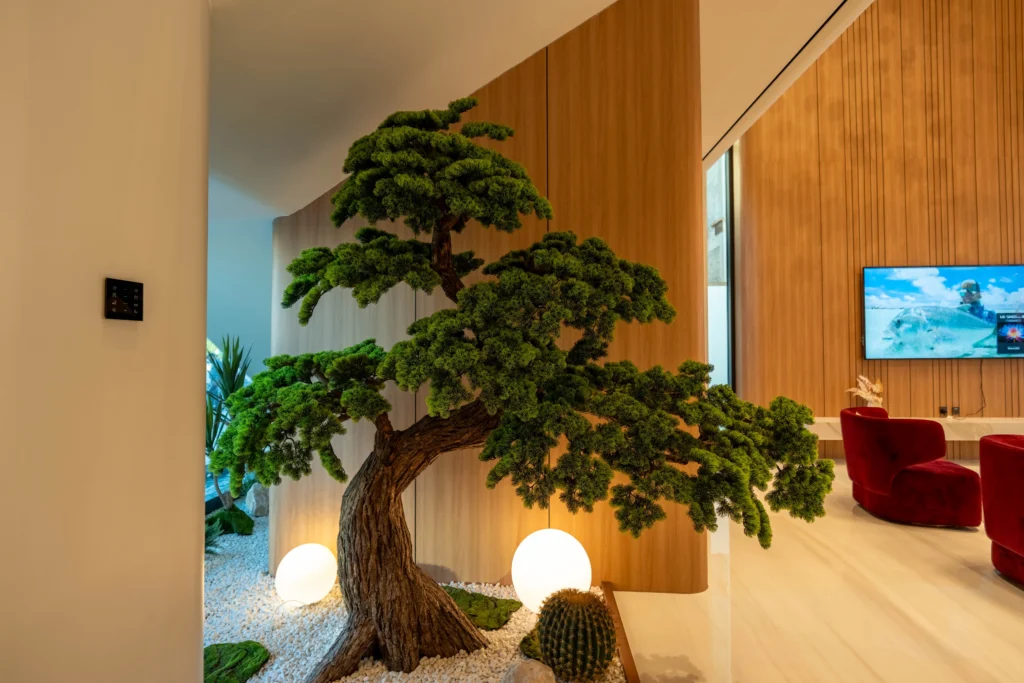
The details are the kind that never make a listing. A one-of-one Candela chandelier with three hundred hand-suspended threads, months in the making, with nothing else like it anywhere. Curved stretch ceilings and zero-joint wallpapers. A three-stop private Mitsubishi lift connecting every floor. Full home automation, from lighting and curtains to climate and security, all from a single device. Outside, an overflow pool with a glass wall and a rainwater curtain, a pergola lounge, and a five-hundred-year-old Spanish olive bonsai anchoring the courtyard. The rooftop looks straight at the Burj Khalifa skyline.
“Fully furnished. Move-in ready. Nothing to decide, just walk in.”
And this is the point I find myself making again and again: none of that is standard, and none of it was left to default. It is the difference, made physical, between a villa you buy and a villa someone built as if no one were watching the budget. On a portal, it would sit in the same grid as everything else. In person, there is no comparison.
The residence at a glance
| Type | One-of-one custom-built villa |
| Community | Sobha Hartland Villas, Phase III, MBR City |
| Built-up area | 7,559 sq ft across G + 1 + Rooftop |
| Layout | 4 bedrooms en-suite, plus maid’s room and home office |
| Finish | Fully furnished, bespoke throughout, move-in ready |
| Notable | 6m pivot door · one-of-one Candela chandelier · overflow pool · Burj Khalifa rooftop views |
A closer look
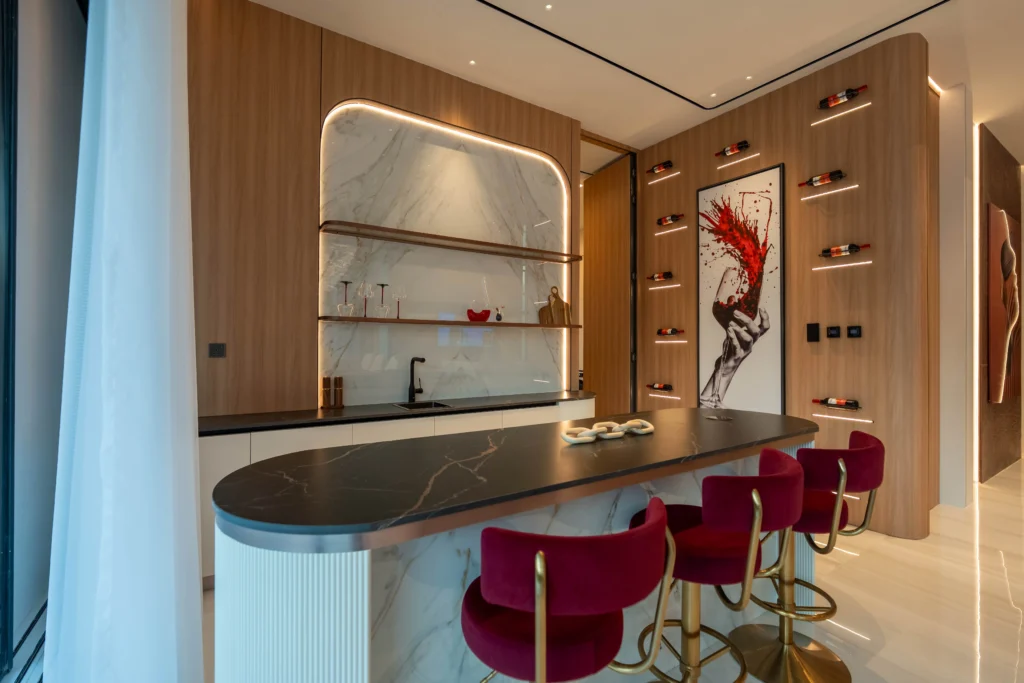
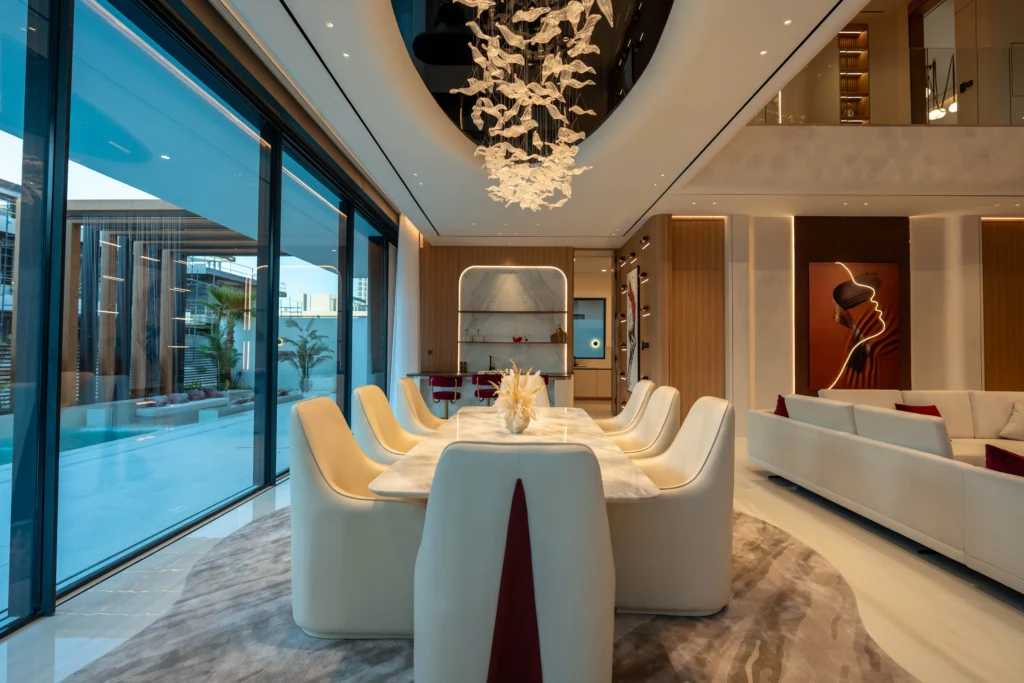
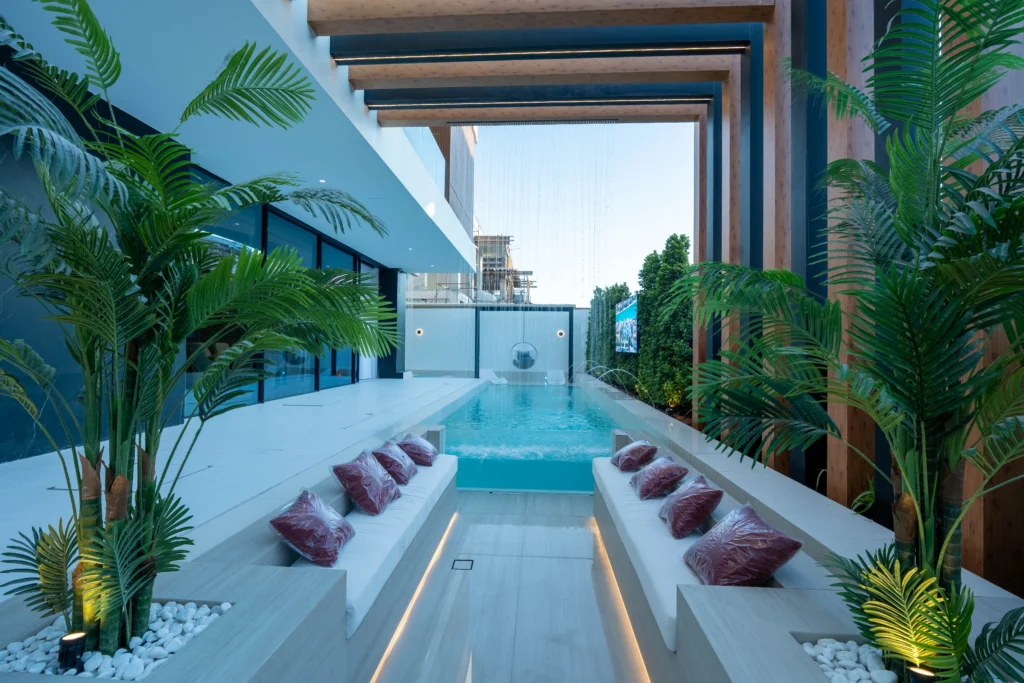
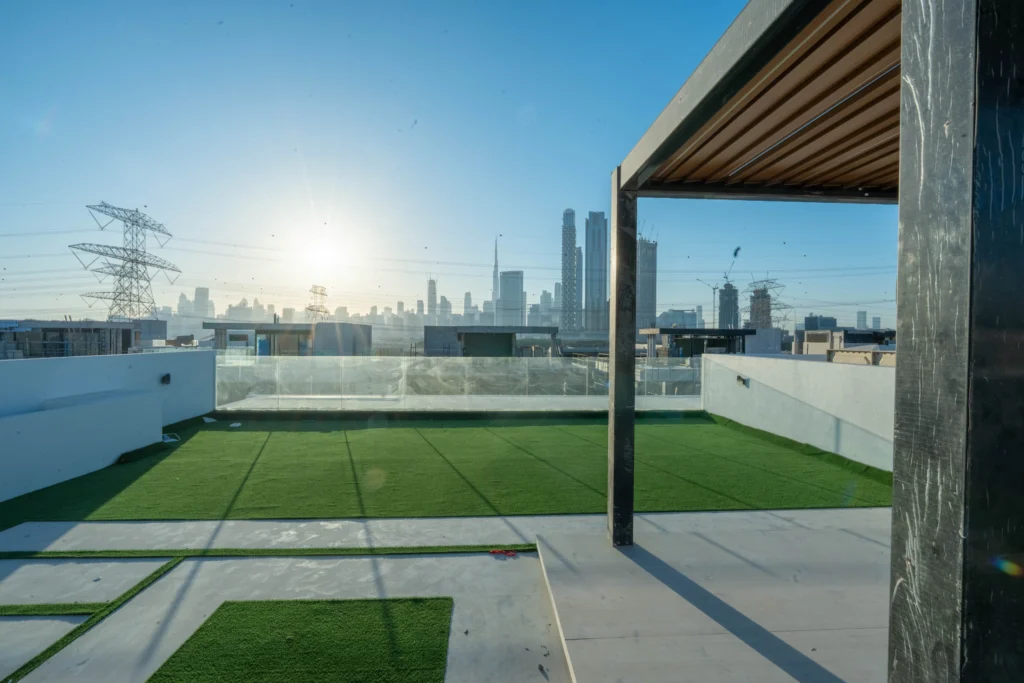
So, is a villa still worth it?
My honest answer is yes, with one condition: own the right one. The asset class is on solid ground, with scarce supply, steady demand, and a city built to attract the people who buy these homes. But within that, the spread between ordinary and exceptional is what will define how your purchase performs and how it feels to live in. A true one-of-one in a community like Hartland is not just a nicer house. It is a different category of asset.
Most of the best homes in this city never reach a portal. They move quietly, between people who know to ask. If you would like to see what a genuinely custom villa in Sobha Hartland looks like in person, the one above included, I am always happy to arrange a private viewing and to talk through where it fits in the wider market.
The best villas in Dubai never reach a portal. If you’d like to see a true custom villa in Sobha Hartland in person, I’ll arrange a private viewing and show you where it fits in the market.
FAQ
What is the real difference between a custom-built and a developer-built villa?
A developer-built villa is produced to a published template and repeated many times across a community, while a custom villa is designed and constructed once, for a single owner, with every finish chosen by hand. The practical effect is scarcity and specification: a one-of-one cannot be reproduced, and it is usually built to a standard a developer’s margins do not allow.
Are villas still a good investment in Dubai in 2026?
By most measures, yes. Villa supply remains structurally limited, demand from families and international buyers stays strong, and prime communities have continued to appreciate. As always, the specific community, the quality of the home, and your entry price matter more than the headline trend, so treat this as general information rather than personal investment advice.
Which areas are best for villa investment right now?
Established names such as Palm Jumeirah, Emirates Hills, Dubai Hills Estate, and Arabian Ranches remain reliable for resale and family living. For a balance of established prestige and room to grow, Mohammed Bin Rashid City and Sobha Hartland are among the standouts in 2026.
Why are some of the best villas never listed on property portals?
Owners of unique, high-value homes often prefer discretion, so these properties are shown privately to qualified buyers rather than advertised publicly. It also protects the home’s exclusivity, since a one-of-one residence loses some of its appeal when it sits in a public grid of thumbnails.
Is it better to buy off-plan or a finished, furnished villa?
Off-plan can suit buyers comfortable with a wait and some construction risk, often at a lower entry price. A finished, fully furnished villa is move-in ready and far more liquid, with no decorating project and no handover uncertainty, which many end-users and investors value highly.
What makes Sobha Hartland a strong location?
Hartland is a large freehold community in the heart of MBR City, wrapped by the Ras Al Khor Wildlife Sanctuary and the Dubai Water Canal, with international schools inside its gates and Downtown Dubai roughly five minutes away. That mix of central location, greenery, and limited villa plots gives it both lifestyle appeal and lasting value.